When you can buy a knife in four clicks - Why we need to treat the cause, as well as the symptoms of youth knife crime
2/6/20263 min read


A week ago, if you had mentioned the words “knife crime” and “Chippenham” in the same sentence — let alone child-on-child knife crime — I’d have responded with something along the lines of: that isn’t a problem in our town, thankfully; it’s a city-level issue. Tragically, less than a week later, that is no longer true.
The response we’ve seen is one you would expect from a community in sadness, reflection, generosity — both financial and in time and thought. There has been a massive outpouring of support. A highly admirable scheme is underway to fundraise for bleed-control kits to be placed around the town, and in other relevant areas. I am working on my part to support this through ongoing engagement with our secondary school headteachers, ensuring they have the kits and training they feel they need. And while this is a significant piece of potentially life-saving change, it unfortunately only goes towards treating the symptoms of the problem. What we also need to try to do, as a country, is understand the cause.
My mind boggles — and frankly, I find the whole thing rather scary — but we must try to understand what is leading our young people to a place where one child can kill another child in broad daylight, on a busy town-centre street. Two things come to mind for me. They are not novel problems, but they are problems we have not yet properly addressed: the role of social media and access to it for children, and the ability to buy knives without proper age checks.
We know that social media remains a toxic place where violence is glorified and misogyny is celebrated. Our young people are highly impressionable; they learn from what they see and what they hear, and we are providing unfettered access to this toxic content.
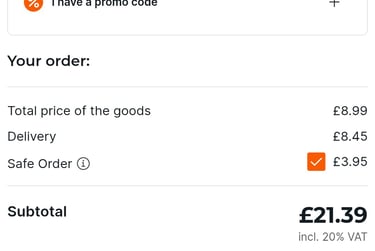
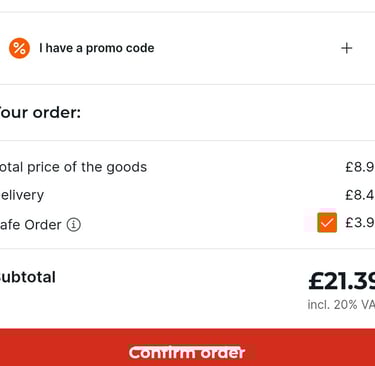
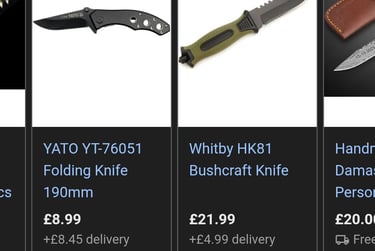
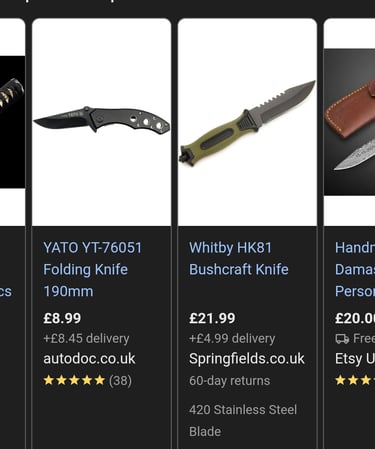
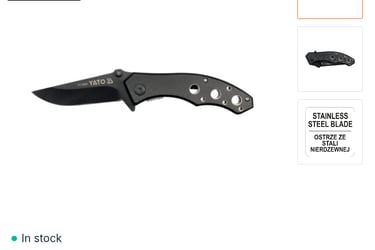
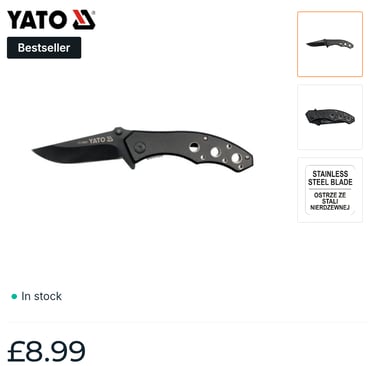
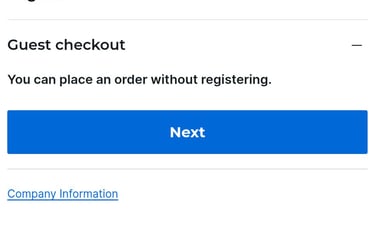
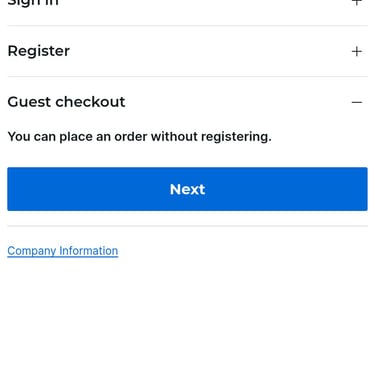
Equally, while it is illegal in the UK for anyone to sell a knife to someone under the age of 18 — including sellers based abroad but selling into the UK — it is painfully easy to get around this law. In four simple clicks on my phone (on a website that primarily sells car parts no less), I was able to reach the checkout stage to buy a folding knife, without needing to register on the website, let alone prove my age. If this is how flagrantly the law is being ignored, then we have little hope of addressing this crisis.
But just because these things are being ignored, or progress is too slow, does not mean we should stop making noise or stop feeling angry about the situation.
I have emailed our MP, Sarah Gibson, asking her to focus on and raise the slow progress being made around social media access for children, as well as the lack of movement on changes to the law regarding the sale of knives to under-18s, including Ronan’s Law.
I have never been someone who likes to simply commentate on a problem without trying to do something about it. So what can we do?
We can continue to make noise. Sign petitions. Lobby those with the power to bring about change. And I’ve also discovered that we can report retailers breaking the law via Citizens Advice. You can submit evidence of websites or retailers that are not verifying age in a robust way; this is then escalated to Trading Standards. The referral form is here:
https://referrals.citizensadvice.org.uk/consumer/forms/general
My children are not yet teenagers, so I don’t know exactly what may be going through the minds of young people in the wake of this. But if I were to hazard a guess, I would say primal responses to threat are likely at play.
That threat is no longer hypothetical: dying at the hands of another child has become a real possibility. We respond to threats through fight or flight. Flight is not an easy option here — so what form does “fight” reasonably take? One where, if they might be armed, then perhaps I should be too.
So how do we try to neutralise that response?
Parents and those working closely with children need to talk about this openly. We need to double down on understanding, compassion, and protection — and, importantly, teach them that an eye for an eye leaves the whole world blind.